
Brake Squealing: Causes and Remedies
Brake squealing is one of the most common complaints drivers experience. While the sound may seem minor at first, it often signals that something in the braking system needs attention. Ignoring squealing brakes can eventually lead to reduced stopping performance, expensive repairs, and unsafe driving conditions. Understanding the common causes behind brake noise can help vehicle owners take the right steps before the problem becomes more serious.
Why Brakes Begin to Squeal
Brakes create friction to slow down and stop a vehicle. Over time, constant use naturally causes wear on brake components. As parts age or become contaminated, unusual sounds can develop during braking.
Squealing noises can happen occasionally or every time the brake pedal is pressed. Weather conditions, driving habits, and the quality of brake components may also affect how often the noise occurs.
Worn Brake Pads
One of the leading causes of brake squealing is worn brake pads. Most brake pads are designed with wear indicators that produce a high-pitched sound when the material becomes too thin. This warning sound alerts drivers that the pads are nearing the end of their lifespan.
Driving with worn pads for too long can damage the brake rotors and increase repair costs. Replacing brake pads early helps maintain smooth braking performance and prevents further wear on surrounding components.
Moisture and Surface Rust
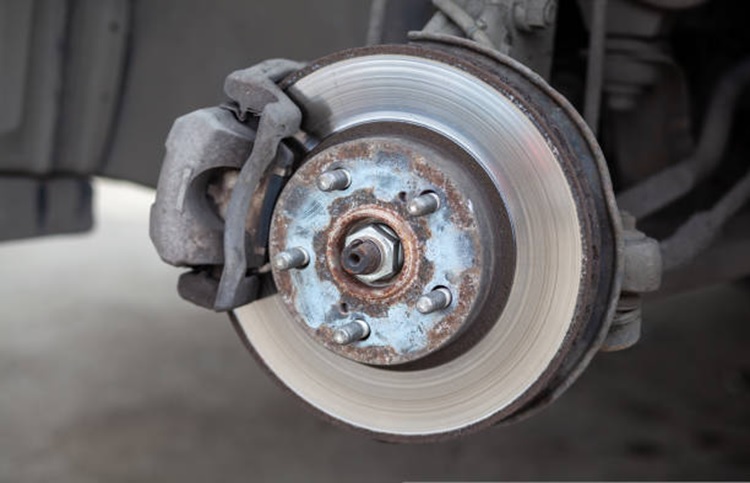
Moisture can also create temporary brake squealing. After rain, humidity, or overnight parking, a thin layer of rust may form on the brake rotors. This surface rust usually disappears after several stops as the braking system warms up and clears away moisture.
In these situations, the squealing may not indicate a serious issue. However, persistent noise should still be inspected to rule out other brake problems.
Dirt and Brake Dust Buildup
Brake systems collect dust, debris, and road contaminants over time. Excessive buildup can interfere with the smooth contact between brake pads and rotors, creating squealing or grinding sounds.
Routine brake inspections and cleaning can help reduce debris accumulation and improve braking performance. Keeping the braking system clean also helps extend the life of important components.
Poor Quality or Improper Installation
Low-quality brake pads may contain harder materials that naturally create more noise during braking. Improper installation can also lead to uneven contact between components, causing squealing sounds and vibration.
Professional installation ensures that all brake parts fit correctly and operate safely. Choosing high-quality brake components can also reduce unwanted noise and improve overall braking reliability.
Preventing Brake Noise
Regular brake maintenance is the best way to prevent squealing and protect your vehicle’s safety. Inspections allow technicians to identify worn components, clean the braking system, and address small problems before they worsen.
If brake squealing continues, prompt service is important. Addressing the issue early can restore quiet braking performance, improve stopping power, and help drivers stay safe on the road.
This post was written by a professional at Sunshine Auto Repair. Need auto repair shops El Cajon? reliable auto repair near you, or the best auto mechanic near you in El Cajon, CA? For over 20 years, Sunshine Auto Repair, our family-run shop, has provided honest service, fair prices, and expert care for cars, SUVs, trucks, and commercial vehicles.
 A-To-Z Car Blog